Texas TDU Charges Explained: Why They Stay on Your Solar Bill
by Solar Bill Fix Team
What Are TDU Delivery Charges
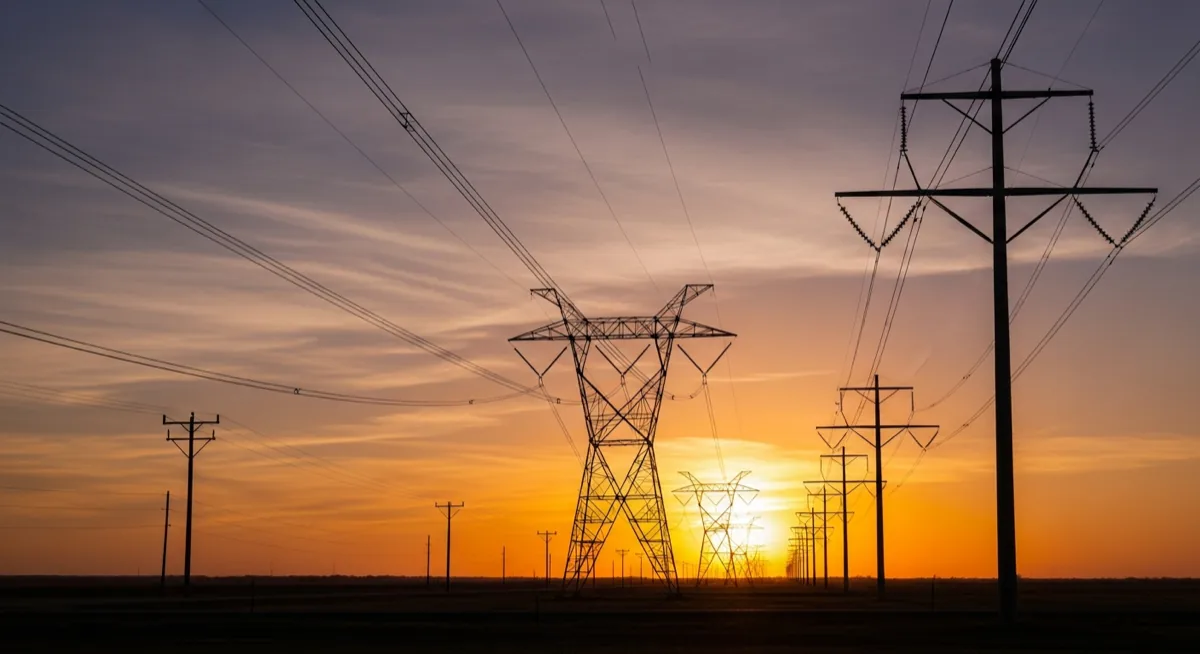
Every electricity bill in deregulated Texas includes two distinct cost categories: the energy charges from your Retail Electric Provider and the delivery charges from your Transmission and Distribution Utility. Your REP is the company you chose to buy electricity from. Your TDU is the company that owns and maintains the power lines, transformers, substations, and meters that physically deliver that electricity to your home.
You cannot choose your TDU — it is determined by your geographic location. The three major TDUs in Texas are Oncor (serving the Dallas–Fort Worth metroplex and much of North and West Texas), CenterPoint Energy (serving the Houston metro area), and AEP Texas (serving parts of South and West Texas). Smaller TDUs like TNMP and Texas-New Mexico Power serve limited areas as well.
TDU charges typically account for 25% to 40% of a typical residential electricity bill, and they are regulated by the Public Utility Commission of Texas rather than set by market competition.
How TDU Charges Are Calculated
TDU delivery charges have two components: a fixed monthly charge and a per-kilowatt-hour delivery rate. The fixed charge covers basic infrastructure maintenance and metering — it applies regardless of how much electricity you use. This charge ranges from roughly $3 to $10 per month depending on your TDU.
The per-kWh delivery rate is applied to every kilowatt-hour that flows from the grid through the TDU's infrastructure to your meter. For most residential customers, this rate falls between 3 and 5 cents per kWh. Oncor's residential delivery rate, for example, has historically been around 3.5 to 4 cents per kWh, while CenterPoint's has been slightly higher.
These rates are adjusted periodically through regulatory proceedings at the PUCT. When you see news about utility rate increases in Texas, it is usually the TDU delivery rates being adjusted — not the competitive energy rates from REPs.
Why Solar Does Not Eliminate TDU Charges
This is the single biggest source of confusion for new solar homeowners. Your solar panels reduce the amount of energy you consume from the grid, which reduces your per-kWh TDU delivery charges — but they do not eliminate them.
The reason is straightforward: solar panels produce electricity during daylight hours, but your home consumes energy around the clock. At night, on cloudy days, and during early morning and late evening hours, your home draws power from the grid. Every kilowatt-hour delivered from the grid to your meter incurs TDU delivery charges, regardless of how much solar energy you exported earlier that day.
Even a perfectly sized solar system with excellent production will still result in meaningful grid consumption. A typical Texas solar home might reduce grid deliveries by 60% to 75%, which means TDU charges drop by a similar percentage — but they never reach zero without battery storage and a system significantly oversized for your needs.
TDU Charges by Major Utility Area
Each TDU has slightly different rate structures, and understanding yours helps you set accurate expectations for your post-solar bills.
Oncor serves the largest territory in Texas and delivers power to most of the Dallas–Fort Worth area. Oncor's residential delivery charges include a fixed monthly customer charge plus a per-kWh rate that varies by rate class. Solar homeowners in the Oncor territory generally see the most competitive overall bills because the DFW area also has intense REP competition, driving energy rates lower.
CenterPoint Energy serves the Houston metropolitan area and surrounding counties. CenterPoint's delivery rates have historically been slightly higher than Oncor's, and the company has pursued several rate increase cases in recent years. Houston solar homeowners should factor these delivery costs into their savings calculations when evaluating whether solar pencils out.
AEP Texas serves a geographically large but less densely populated area across South and West Texas. AEP's rate structure is similar to the other TDUs, with a fixed charge plus per-kWh delivery rate. Solar production tends to be strong in AEP territory due to high solar irradiance in South and West Texas, which helps offset the delivery charges through greater self-consumption.
How TDU Charges Appear on Your Bill
On most Texas electricity bills, TDU delivery charges are either broken out as a separate line item or bundled into your overall rate. When comparing REP plans, look for the term "all-in rate" versus "energy-only rate." An all-in rate includes both the REP's energy charge and the TDU delivery charge. An energy-only rate shows just the REP's portion, with TDU charges added separately.
This distinction matters for solar homeowners because your buyback credits from the REP offset energy charges but not TDU charges. When evaluating a solar buyback plan, understanding which charges your credits actually offset prevents unpleasant surprises.
Your TDU charges should appear consistently from month to month at the same per-kWh rate, varying only with the amount of energy delivered. If you notice unexpected fluctuations, it may indicate a billing error worth investigating.
Reducing Your TDU Charges With Solar and Battery Storage
While you cannot negotiate TDU rates or switch to a cheaper TDU, you can reduce the amount of grid-delivered energy your home consumes — which directly lowers your per-kWh TDU charges.
Maximize self-consumption. Running high-draw appliances during peak solar production hours means you use your own energy rather than drawing from the grid. Dishwashers, laundry, pool pumps, and EV charging are all good candidates for daytime scheduling.
Add battery storage. A home battery system stores excess solar energy produced during the day and discharges it at night when your home would otherwise draw from the grid. A well-sized battery can reduce your grid deliveries by an additional 30% to 50% beyond what solar alone achieves, meaningfully cutting your TDU charges.
Monitor your grid consumption. Most modern inverters and energy monitoring systems show real-time grid consumption alongside solar production. Tracking these patterns helps you identify opportunities to shift usage and reduce deliveries.
Wondering how much you could save with a better plan?
Try our free solar savings calculator — results in 2 minutes.
What TDU Charges Mean for Your Solar ROI
TDU delivery charges are a permanent fixture on your electricity bill, but they should not discourage you from going solar. A typical Texas solar homeowner still saves 60% to 80% on their total electricity costs, even with TDU charges remaining.
The key is to account for TDU charges when understanding your post-solar bill and calculating your expected savings. Factor in the fixed monthly charge plus the per-kWh delivery costs for your estimated grid consumption, and you will have a realistic picture of what your solar investment will actually save. The savings are real and substantial — they are just not 100% of your pre-solar bill.
Want more solar savings tips?
Download our free Texas solar billing guide — learn how to read your bill, find hidden credits, and pick the right plan.
Resources
Helpful guides for solar homeowners

Solar Panel Maintenance in Texas: What Actually Matters for Your Bill
A practical guide to solar panel maintenance in Texas — cleaning, monitoring, shade management, and how upkeep directly affects your electricity production and billing.
Read article →
Time-of-Use Rates and Solar in Texas: When They Help and When They Hurt
Learn how time-of-use electricity plans interact with solar panels in Texas, when TOU rates save you money, and how to align generation with consumption.
Read article →
My Solar Bill Is Still High: A Systematic Troubleshooting Guide
A step-by-step guide to diagnosing why your electricity bill is still high after installing solar panels, covering system issues, plan issues, and usage issues.
Read article →