Is a Solar Battery Worth It in Texas? A Homeowner's ROI Guide
by Solar Bill Fix Team
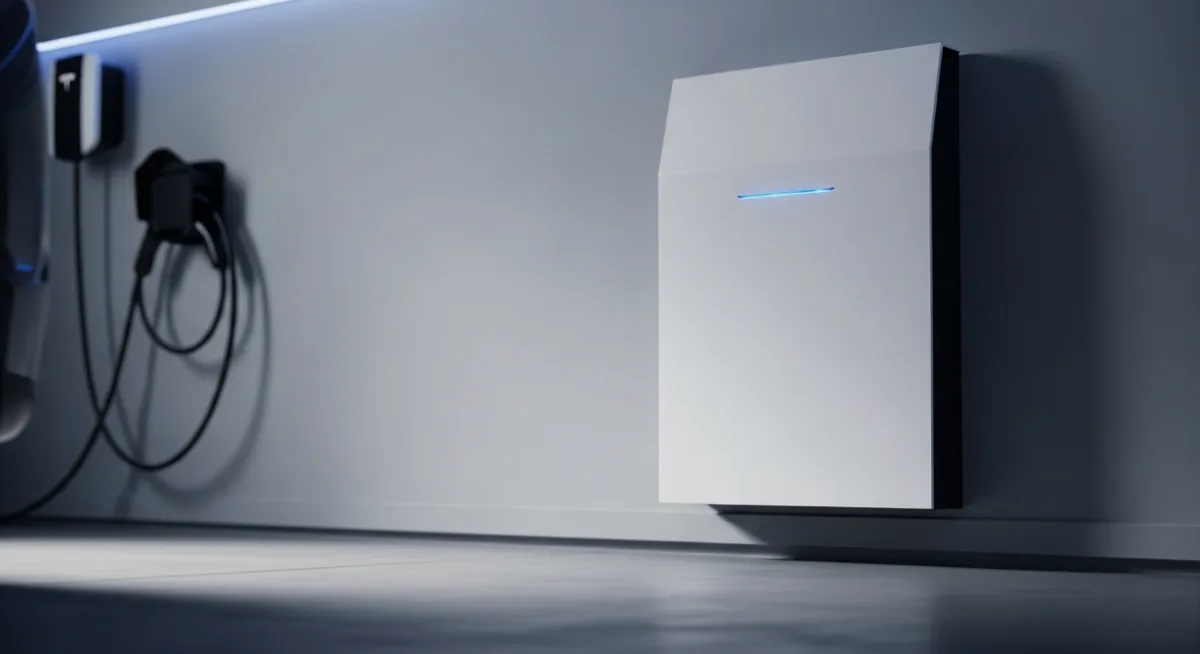
What Home Batteries Do for Solar Owners
A home battery system changes the fundamental equation of your solar investment. Without a battery, your panels generate electricity during the day — but if you are at work and not consuming that energy, the excess flows back to the grid. You earn a buyback credit, but the rate you receive depends entirely on your electricity plan.
With a battery, excess daytime generation charges the battery instead of going to the grid. When the sun goes down and your panels stop producing, the battery discharges and powers your home through the evening. This means you are consuming your own solar energy around the clock rather than buying electricity from the grid at night.
For Texas homeowners, the battery effectively decouples your solar savings from your buyback rate. If your Retail Electric Provider offers a poor buyback credit — say 4 to 6 cents per kWh when you are paying 12 to 15 cents for consumption — the battery lets you avoid that unfavorable exchange entirely. You store the energy and use it yourself instead of selling it at a discount.
The Tesla Powerwall as a Reference Point
The Tesla Powerwall is the most common home battery system installed alongside solar in Texas. A single Powerwall offers 13.5 kWh of usable storage capacity, which is enough to power most Texas homes through the evening hours from sunset to bedtime. Larger homes or those with electric vehicles may benefit from two units.
Installed cost for a single Powerwall typically runs between $12,000 and $16,000 before incentives. The 30% federal Investment Tax Credit (ITC) applies to batteries when they are installed alongside a solar system, bringing the effective cost down to $8,400 to $11,200. This same tax credit that reduced your solar panel cost applies to the battery hardware and installation labor.
Other popular options include the Enphase IQ Battery and the Generac PWRcell, which offer similar capabilities at comparable price points. The specific brand matters less than the capacity and warranty terms for your ROI calculation.
When Batteries Make Financial Sense
Several common situations make battery storage a strong financial investment for Texas solar homeowners:
Low buyback rates are the primary driver. If your current plan credits excess solar at only 4 to 8 cents per kWh while you pay 12 to 16 cents for consumption, every kilowatt-hour you store instead of exporting saves you the difference. Over a year, this gap adds up to hundreds of dollars in additional savings.
High evening electricity usage amplifies the benefit. Texas families running air conditioning through summer evenings, cooking dinner on electric ranges, and charging devices overnight consume significant grid electricity after solar production drops. A battery offsets this peak-demand period when electricity is most expensive.
Grid reliability concerns add non-financial value. Texas homeowners experienced firsthand how vulnerable the grid can be during severe weather events. A battery with backup capability keeps critical loads running — your refrigerator, lights, internet router, and medical equipment — during grid outages that can last hours or days. Solar homeowners in Austin, Dallas, Houston, and San Antonio have increasingly turned to battery storage after experiencing the real cost of extended outages.
Time-of-use rate structures reward battery owners who can shift consumption away from peak pricing windows. Some Texas plans charge higher rates during afternoon and evening hours, which is exactly when a battery can discharge stored solar energy instead.
Wondering how much you could save with a better plan?
Try our free solar savings calculator — results in 2 minutes.
When Batteries Do Not Make Sense
Not every Texas solar homeowner needs a battery, and honesty about this saves you money:
If you have a good 1:1 buyback plan, the grid effectively acts as free battery storage. You export excess solar during the day at the same rate you buy electricity at night. Your net cost works out identically to having a battery, but without the $12,000+ hardware expense. In this scenario, the grid is your battery.
If your solar system is small relative to your consumption, you may use most of your production directly and have little excess to store. A 4 kW system on a home that consumes 1,500 kWh per month generates less surplus than a 10 kW system on a home using 1,000 kWh. If there is minimal excess energy, the battery has nothing to store.
If budget constraints are tight, the money might generate better returns invested in additional solar panels rather than storage. More panels increase total generation, which benefits you regardless of buyback rates. The payback period on additional panels is typically shorter than on battery storage alone.
Real ROI Numbers for Texas Homeowners
The financial impact of adding a battery to your Texas solar system is measurable. Based on typical Texas consumption patterns and solar production:
Solar panels alone typically reduce your electricity costs by 60 to 75 percent, depending on system size, home orientation, and your electricity plan. The remaining costs come from nighttime grid consumption and TDU delivery charges that apply regardless of solar production.
Adding a battery pushes savings to 70 to 80 percent of your pre-solar bill. The battery captures excess daytime production that would otherwise be exported at low buyback rates and uses it during evening hours.
Combining a battery with a well-chosen solar buyback plan achieves the highest savings tier: 85 to 95 percent reduction. The battery handles evening consumption while the optimized plan ensures any remaining grid interaction happens at favorable rates.
For a Texas home spending $250 per month on electricity before solar, panels alone might reduce the bill to $60 to $100. Adding a battery could bring it to $50 to $75. Optimizing the electricity plan on top of that could push it down to $15 to $40 per month.
The payback period on the battery investment — after the 30% tax credit — typically runs 7 to 12 years, depending on your buyback rate differential. Batteries carry 10 to 15 year warranties, so most homeowners break even within the warranty period.
Backup Power Value in Texas
Beyond monthly bill savings, battery backup provides tangible value in Texas. The state's grid has faced challenges during extreme weather, and homeowners with battery backup avoided the worst impacts of extended outages.
A single 13.5 kWh Powerwall can keep essential loads running for 12 to 24 hours without any solar recharging. When paired with solar panels, the battery recharges during daylight hours and can sustain critical loads indefinitely during extended outages — as long as the sun comes up.
Essential loads typically include your refrigerator and freezer (protecting hundreds of dollars in food), lighting, Wi-Fi router and modem, phone and device charging, and medical equipment. Larger battery systems or multiple units can support air conditioning, which becomes a safety issue during Texas summer outages.
This backup capability is difficult to assign a dollar value, but homeowners who have experienced multi-day outages consistently rate it as one of their most valuable home investments. A traditional whole-home generator costs $5,000 to $15,000 installed and requires fuel, maintenance, and generates noise and exhaust. A battery system provides silent, automatic, fuel-free backup.
The Bottom Line on Texas Solar Batteries
For most Texas solar homeowners, a battery is a worthwhile investment — especially if your current buyback rate is poor. The combination of improved daily savings, backup power protection, and the 30% federal tax credit creates a compelling case.
The strongest candidates for battery storage are homeowners with low buyback rates who consume significant electricity in the evening. The weakest case is for homeowners already on an excellent 1:1 buyback plan with low evening usage.
If you are considering a battery, start by evaluating your current buyback rate and evening consumption pattern. If you are selling excess solar at less than 8 cents per kWh and buying evening electricity at more than 12 cents, the math favors a battery. Combine that with an optimized electricity plan, and you are positioned to capture 85% or more of the savings your solar system can deliver. ar system can deliver.
Want more solar savings tips?
Download our free Texas solar billing guide — learn how to read your bill, find hidden credits, and pick the right plan.
Resources
Helpful guides for solar homeowners

Solar Panel Maintenance in Texas: What Actually Matters for Your Bill
A practical guide to solar panel maintenance in Texas — cleaning, monitoring, shade management, and how upkeep directly affects your electricity production and billing.
Read article →
Time-of-Use Rates and Solar in Texas: When They Help and When They Hurt
Learn how time-of-use electricity plans interact with solar panels in Texas, when TOU rates save you money, and how to align generation with consumption.
Read article →
My Solar Bill Is Still High: A Systematic Troubleshooting Guide
A step-by-step guide to diagnosing why your electricity bill is still high after installing solar panels, covering system issues, plan issues, and usage issues.
Read article →